OTIF
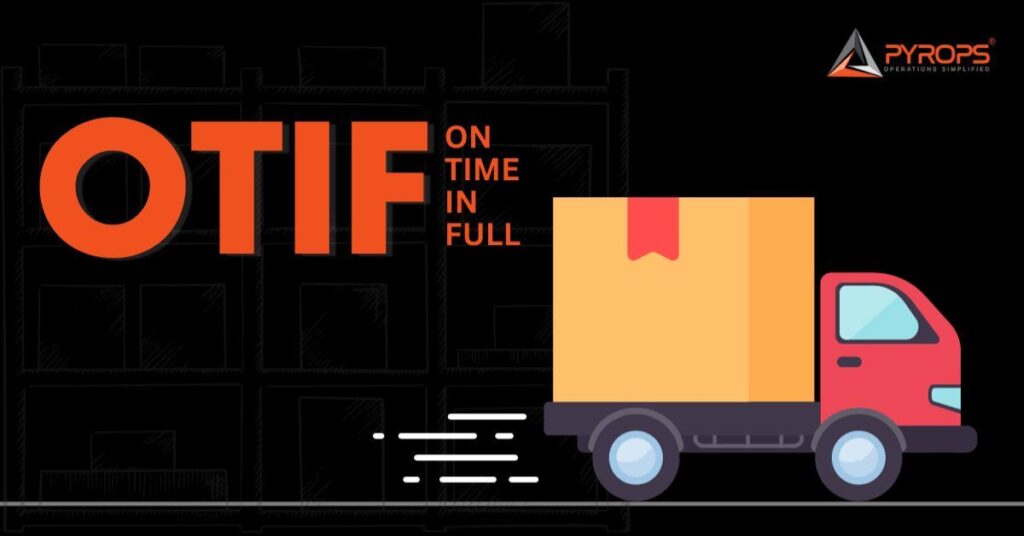
OTIF full form is “On-Time, In-Full”. OTIF supply chain measures a supply chain’s ability to deliver orders to customers precisely when they are expected and in the correct quantities. This article delves into the OTIF meaning, its definition, the factors that determine supply chain OTIF success, best practices for achieving optimal OTIF, and the role of Warehouse Management Systems (WMS) in ensuring OTIF excellence. Definition of OTIF OTIF, an acronym for On-Time, In-Full, is a key performance indicator (KPI) used to assess the efficiency and effectiveness of supply chain operations. On-time in full OTIF calculates the percentage of customer orders that are delivered on time and in full, meeting all agreed-upon delivery terms and customer expectations. OTIF formula is a critical metric for assessing a company’s ability to meet its commitments and ensure customer satisfaction, especially regarding product availability and delivery timelines. It signifies two essential components: On-Time: Products are delivered to customers exactly when they are promised, meeting scheduled delivery times and deadlines. In-Full: Products are delivered in the correct quantities, without shortages or overages. Each item in the order is accounted for and delivered as expected. OTIF Calculation Process Supply chain OTIF measures how well a company delivers orders to customers on time and in full. It is calculated by dividing the number of orders delivered on time and in full by the total number of orders delivered. OTIF is a common tool used to assess the performance of different stakeholders in a supply chain, such as suppliers, manufacturers, and logistics providers. OTIF, or on-time in-full, is a key performance indicator (KPI) used to measure a company’s ability to deliver customer orders on time and in full to achieve better customer satisfaction. To calculate OTIF, you divide the number of orders delivered on time and in full by the total number of orders delivered, and then multiply the result by 100 to express it as a percentage. OTIF Formula: OTIF (%) = (Number of orders delivered on time and in full / Total number of orders) * 100 It is important to note that OTIF is a critical metric for companies to track because it can help them identify areas where their supply chain is inefficient or ineffective. By understanding the factors that impact OTIF, companies can develop strategies to improve their performance and meet customer expectations. How Supply Chain Management Revolutionizes Inventory Control Dive into the transformative impact of supply chain management on inventory control in our insightful blog post. Learn More Factors Determining OTIF Success Multiple factors can significantly impact a company’s ability to achieve high on-time and in-full (OTIF) performance in its logistics and supply chain operations. Some of these factors include: Achieving high OTIF performance is influenced by various factors: Accurate Demand Forecasting Precise demand forecasting is vital to ensure the right quantity of products is available in the warehouse for order fulfillment. Efficient Inventory Management Effective inventory management practices prevent stockouts and overstock situations, ensuring products are available when needed. Effective Order Processing Streamlined order processing, including picking, packing, and shipping, reduces delays and errors. Transportation Optimization Efficient route planning and selection of reliable carriers are crucial for on-time deliveries. Supplier Collaboration Collaborative relationships with suppliers help maintain a consistent supply of goods. Best Practices to Ensure Optimal OTIF Achieving exceptional OTIF performance requires a combination of best practices: Data-Driven Decision-Making: Utilize data analytics to gain insights into demand patterns, stock levels, and order processing efficiency. Real-Time Visibility: Implement technology solutions that provide real-time visibility into inventory levels, order status, and transportation movements. Supplier Performance Monitoring: Regularly evaluate and collaborate with suppliers to ensure they meet delivery commitments. Effective Order Management: Automate order processing to reduce errors and expedite order fulfillment. Dynamic Routing: Implement dynamic routing strategies to optimize transportation and reduce delivery lead times. Continuous Improvement: Continuously assess and refine supply chain processes to eliminate bottlenecks and inefficiencies. Importance of WMS in Ensuring OTIF Warehouse Management Systems (WMS) play a pivotal role in achieving and maintaining OTIF excellence: Inventory Accuracy: WMS systems provide real-time inventory data, reducing the risk of stockouts or overages. Efficient Order Processing: WMS optimizes order picking, packing, and shipping processes, ensuring orders are fulfilled accurately and swiftly. Visibility: WMS offers complete visibility into warehouse operations, helping identify and address any delays or inefficiencies. Data Integration: Integration with other systems, such as Enterprise Resource Planning (ERP) and Transportation Management Systems (TMS), facilitates seamless data sharing and order processing. Quality Control: WMS can incorporate quality control checks, ensuring that products meet predefined standards before shipment. Conclusion OTIF is a critical performance metric in the world of warehousing and logistics. Achieving optimal OTIF requires a multifaceted approach, including accurate forecasting, efficient order processing, and collaborative supplier relationships. Warehouse Management Systems (WMS) play an integral role in ensuring high OTIF performance by enhancing inventory accuracy, streamlining operations, and providing real-time visibility. By adopting best practices and leveraging technology, organizations can consistently meet customer expectations and enhance their competitiveness in today’s dynamic supply chain landscape. FAQ