
Warehouse Operations Simplified

Supply Chain Management

Knowledge Series

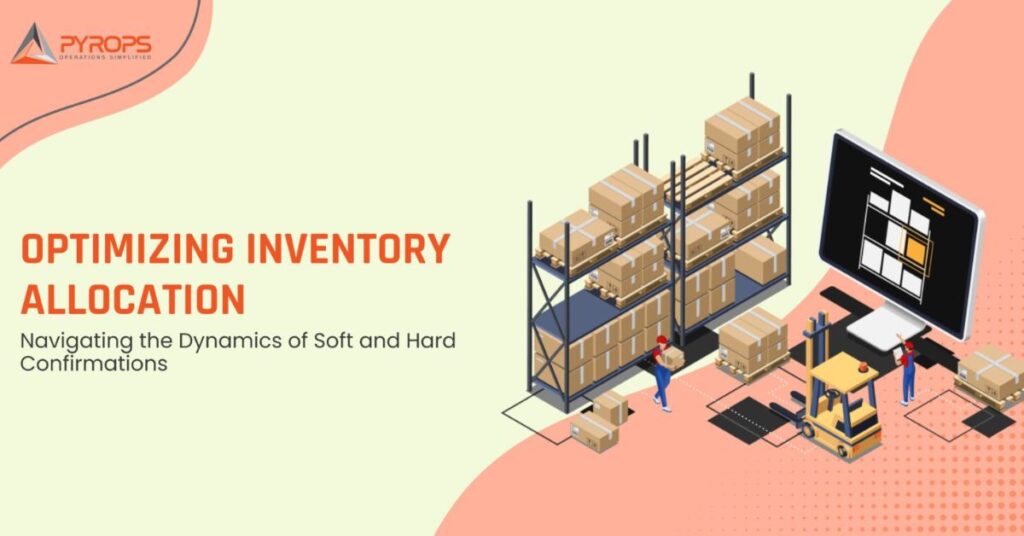
Inventory Allocation Demystified

Accurate and timely Inventory allocation plays a pivotal role in ensuring operational efficiency, customer satisfaction, and overall success. This knowledge series delves into the complexities of inventory allocation, with a specific focus on the delicate balance between soft and hard confirmations. Moreover, we explore the additional layer of managing expected inventory from open purchase orders, highlighting its significance in enhancing clarity and customer satisfaction Decoding Inventory Allocation Understanding Inventory Allocation Inventory allocation involves the strategic assignment of available stock to fulfill customer orders, preventing overselling and ensuring timely order fulfillment. Soft Allocation vs Hard Confirmation Challenges Introduced by Soft Confirmed Orders Certain scenarios involve orders receiving soft confirmations before obtaining hard confirmations. This phase may result from pending payment verification, product availability checks, or the need for manual review. During this soft confirmation stage, it is crucial to reserve inventory effectively, especially when considering expected inventory from open purchase orders. The Significance of Soft Allocation in Anticipation of Open Purchase Orders Preventing Overcommitment: Soft allocation safeguards against overselling, ensuring that inventory isn’t promised to multiple customers simultaneously. Enhancing Customer Experience: The timely reservation of inventory through soft allocation contributes to a positive customer experience, offering transparency and accurate expectations. Optimizing Expected Inventory: Anticipating open purchase orders as expected inventory, soft allocation optimizes the utilization of stock that has not yet reached the warehouse. Maximizing Profitability Through Efficient Inventory Control Find out how effective inventory control changes companies by maximizing income through cost savings, improving customer satisfaction, and simplifying supply chains. Read the blog today! Learn More Strategies for Seamless Soft Allocation and Expected Inventory Management Dynamic Allocation Rules: Implement automated rules governing soft allocation based on various criteria, such as order priority, payment verification, and product availability. Real-Time Visibility: Utilize advanced inventory management systems to provide real-time visibility into soft allocations and expected inventory, facilitating accurate decision-making. Proactive Communication: Establish clear communication channels between relevant teams to provide timely updates on soft allocations, expected inventory status, and order progression. Continuous Monitoring: Regularly reassess soft allocations and expected inventory based on changes in order status, payment verification, or other relevant factors. Pitfalls and Challenges in Managing Soft Allocation and Expected Inventory Risk of Overcommitment: Without careful monitoring, there’s a risk of overcommitting inventory through soft allocations, potentially leading to fulfillment challenges. Manual Errors: Manual processes for soft allocation may introduce errors, emphasizing the need for automated solutions and technology. Coordination with Suppliers: Collaborate closely with suppliers to align expected inventory from open purchase orders with soft allocations, ensuring synchronization in the supply chain. Conclusion Balancing soft allocation, hard confirmation, and the management of expected inventory from open purchase orders requires a harmonious integration of technology, automated processes, and proactive communication. Leveraging advanced inventory management systems, implementing dynamic allocation rules, and fostering collaboration between stakeholders create an environment conducive to operational excellence. Soft allocation, when extended to include expected inventory, becomes a strategic asset, optimizing order fulfillment, enhancing customer satisfaction, and fortifying supply chain resilience in the dynamic landscape of modern commerce.
Knowledge Series

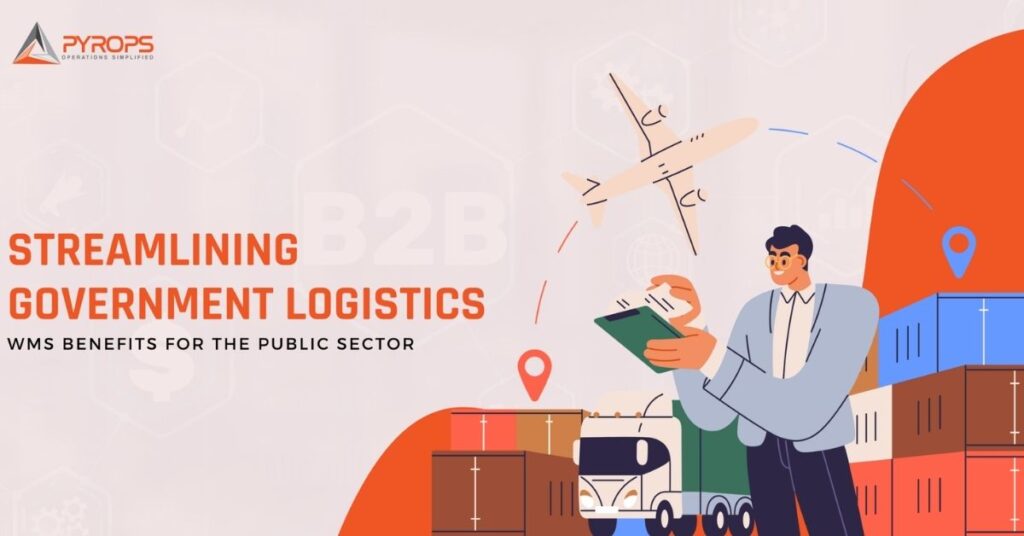
WMS Benefits for the Public Sector

In the era of digital transformation, the use of technology in India’s public sectors is paramount for efficiency and transparency. As we collectively progress towards comprehensive organization in every sector, the role of technologies such as warehouse management systems (WMS) becomes increasingly vital, ensuring streamlined operations and optimized resource utilization. This article looks at how Warehouse Management Systems (WMS) are used in different public sectors. It sheds light on how the integration of WMS fosters heightened visibility, optimal resource utilization, and informed, data-driven decision-making across key domains. Implementing Warehouse Management Systems in these government verticals can lead to significant improvements in the efficiency, transparency, and overall effectiveness of public services. Agriculture and Food Distribution Healthcare and Pharmaceuticals Emergency Response and Disaster Management Postal and Courier Services Public Libraries and Education Resource Distribution Municipal Waste Management Municipal Waste Management Public Distribution System (PDS) Picking Mistakes to Avoid in Warehouse Management System Avoid common pitfalls to simplify operations and develop your warehouse management system. Read our blog today! Learn More Conclusion Implementing Warehouse Management Systems in these government verticals can lead to significant improvements in the efficiency, transparency, and overall effectiveness of public services. FAQ

Blogs

Behind the Scenes of the IPL: The Untold Story of Logistics & Supply Chain Excellence

When the floodlights blaze and the stadium erupts with cheers during an IPL match, what most fans don’t see is the enormous, high-stakes logistics machine operating behind the scenes. The Indian Premier League isn’t just a sporting event—it’s one of the largest logistical productions in the world of sports, played across multiple cities with tight timelines, high-value equipment, and a demand for zero error. Let’s pull back the curtain and explore how supply chain and logistics play an unseen, yet vital, role in every six, every cheer, and every strategic timeout. Team Travel & Movement: A Mobile Supply ChainEach IPL team travels across cities over a span of nearly two months. From chartered flights to buses, luggage vans to mobile fitness units, the logistics of moving players, coaching staff, personal gear, and training equipment requires surgical precision. The travel schedule is often modified based on match results or weather—leaving very little room for error. Stadium Readiness: A New Fulfillment Center Each DayEach venue becomes a mini city before match day. From hospitality zones to merchandise booths, LED signage to broadcasting infrastructure, everything is shipped, set up, tested, and torn down again for the next match in another city. Key Items Tracked & Managed: Ground & Pitch Preparation: The Manufacturing Line of CricketEvery pitch is different—and sacred. The pitch needs a certain number of days to “rest” before a match. Grounds teams are flown in with equipment to manage soil compaction, moisture, and wear & tear. This also includes maintenance of practice pitches, outfield readiness, and net arrangements. Associated Logistics: Merchandise & Retail Logistics: Demand Spikes on Every MatchdayEvery city sees a spike in demand for jerseys, caps, fan gear, and collectibles when a home team plays. Inventory has to be forecasted, stored, and distributed to pop-up stalls, online delivery centers, and stadium shops. Challenges Handled: Reverse Logistics: End of Match, End of SeasonPost-match or post-season, the entire setup needs to be disassembled, repackaged, returned, or redeployed. This includes broadcast gear, camera equipment, sponsorship branding, and even unused merchandise. Final Thoughts: IPL Logistics is a Case Study in Supply Chain ExcellenceThe IPL is not just a cricket league. It’s a moving supply chain with multiple touchpoints, real-time updates, constant movement, and a demand for flawless execution. So, next time you see a six being hit or a player sprinting between the wickets, remember—there are silent supply chain heroes behind the action. Read More Read SCM News

Blogs

Trump Tariffs and Their Impact on Global Supply Chains

The reimplementation and escalation of tariffs under President Donald Trump’s second term in 2025 have profoundly influenced global supply chains. These measures, aimed at protecting domestic industries and reducing trade deficits, have led to significant shifts in manufacturing, sourcing strategies, and international trade relations. Escalation of Tariffs and Trade Wars In early 2025, the U.S. dramatically increased tariffs on Chinese imports, with rates soaring to 145%. China retaliated with tariffs of up to 125% on U.S. goods and imposed restrictions on the export of critical rare earth elements essential for high-tech industries. These actions intensified the trade war, leading to increased costs and supply chain disruptions across various sectors. Strategic Shifts in Supply Chain Management In response to the heightened tariffs, companies are reevaluating and adjusting their supply chain strategies: Sector-Specific Impacts Economic Consequences The tariffs have led to increased costs for manufacturers and consumers, reduced employment in certain sectors, and a decline in economic output. Studies indicate that the benefits of protecting specific industries are outweighed by the broader negative impacts on the economy. Conclusion The Trump administration’s tariff policies have significantly reshaped global supply chains, prompting businesses to adapt through reshoring, diversification, and strategic partnerships. While aimed at bolstering domestic industries, these measures have introduced complexities and challenges that continue to influence international trade and economic stability. Read More Read SCM News

Blogs

Lessons from Ants: Enhancing Supply Chain and Material Movement Efficiencies

Lessons from Ants Ants, among nature’s most remarkable creatures, offer invaluable lessons in efficiency, coordination, and resource management. Their highly organized material movement practices and communication mechanisms can inspire solutions for modern supply chain challenges. Let’s explore how the behavior of ants translates into actionable insights for improving material movement and supply chain efficiencies. 1. Collaboration and Teamwork: The Foundation of Ant Efficiency Ants work collectively to transport food, defend their colonies, and build intricate nests. Each ant has a defined role—scouts, workers, and soldiers—ensuring minimal overlap and maximum efficiency. Supply Chain Insight 2. Real-Time Communication: The Power of Chemical Trails Ants use pheromones to leave chemical trails, guiding others to food sources or alerting them to danger. These real-time updates ensure that all members adapt quickly to changing conditions. Supply Chain Insight 3. Adaptability and Problem-Solving When an obstacle appears, ants quickly find alternative routes to their destination, demonstrating their ability to adapt under pressure. Supply Chain Insight 4. Efficient Load Sharing: Carrying Together Ants distribute the weight of large food items among several individuals, ensuring that no single ant is overburdened. Supply Chain Insight 5. Decentralized Decision-Making Each ant acts autonomously yet in harmony with the colony’s objectives. This decentralized system ensures faster responses to environmental changes. Supply Chain Insight Read More

Blogs

Fitness Industry Fulfillment: Why a Strong WMS is Non-Negotiable

The fitness industry in India is flexing its muscles like never before! With skyrocketing demand for fitness gear, health supplements, and wellness products, D2C brands and consumer giants are racing to keep up. But behind the scenes, managing fulfillment complexities is no less than a marathon—and here’s where a robust Warehouse Management System (WMS) comes into play. 1️⃣ SKU Explosion: Managing Diversity From resistance bands to protein powders, fitness brands handle a high number of SKUs with diverse attributes like size, color, and packaging. Add in short product lifecycles, and it’s clear why tracking inventory is a Herculean task.???? How a WMS Helps: Real-time inventory tracking ensures optimal stock levels, minimizing overstocking or stockouts. 2️⃣ Expiry and Warranty Sensitivities Many products, like supplements, come with expiry dates, while equipment often involves warranty management. Missing these critical details can lead to compliance issues or unhappy customers.???? How a WMS Helps: Automates tracking of expiration dates and warranty terms, ensuring timely rotation and accurate warranty validation. 3️⃣ Fast and Quick Commerce Fulfillment The shift from fast fulfillment to quick commerce means warehouses must process orders at lightning speed. Every second counts!???? How a WMS Helps: Streamlines picking and packing processes with tools like batch picking and order prioritization, ensuring same-day or even 10-minute deliveries. 4️⃣ RFID-Driven Inventory Accuracy Some players are leading the pack by using RFID tagging for products. This allows faster checkouts, real-time inventory visibility, and error-free stock audits.???? How a WMS Helps: Integrates seamlessly with RFID technology, enabling automated inventory updates and reducing manual errors. 5️⃣ Multichannel Fulfillment Made Easy Fitness products are sold through e-commerce platforms, quick commerce apps, and traditional retail channels like modern and general trade. Managing inventory across these channels is a logistical puzzle.???? How a WMS Helps: Centralizes inventory visibility and syncs stock levels across all channels, ensuring seamless order fulfillment and channel-specific allocation. Why Settle for Less? A robust WMS isn’t just a tool; it’s the backbone of a fitness brand’s supply chain. Whether it’s handling SKU diversity, meeting quick commerce expectations, or managing expiration and warranty-sensitive products, a strong WMS empowers brands to deliver excellence. ???? Ready to take your fitness brand’s fulfillment to the next level? Let’s talk about how Pyrops Enterprise WMS can be your ultimate fitness partner. Read Supply Chain News

Blogs

What Do End Customers Pay for Warehousing?

What Do End Customers Pay for Warehousing? When you buy a product, you might not think about the journey it took to get to you. The process behind delivering that product to your doorstep involves a complex web of logistics and operations. From the moment a product is manufactured, it enters a supply chain that includes transportation, storage, and multiple handling stages.  Each of these steps incurs costs that ultimately influence the price you pay. One significant but often overlooked component of this supply chain is warehousing. Warehousing is much more than just a place to store goods; it’s a critical hub that impacts efficiency, speed, and cost-effectiveness.  In this blog, we’ll delve into how warehousing affects what you pay as an end customer. Factors Influencing Warehousing Costs and Product Prices 1. Inventory Turnover: How Fast Products Move High Turnover: Industries like retail and food have fast-moving goods, meaning products don’t stay in the warehouse for long. This lowers warehousing costs, which can help keep product prices down. Low Turnover: Industries such as industrial machinery have products that move slowly. These items stay in storage longer, increasing warehousing costs and, ultimately, the prices you pay. 2. Product Characteristics: What the Product Is Like Perishability: Products like food and beverages that can spoil need special storage conditions, raising warehousing costs. Value and Size: High-value items (e.g., electronics) or bulky items (e.g., car parts) need secure and specialized storage, which also increases costs. 3. Storage Requirements: Special Needs Temperature Control: Items like pharmaceuticals and some foods need climate-controlled environments. This adds to energy and maintenance costs, which can affect product prices. Security: High-value products require enhanced security, which increases warehousing expenses and thus impacts the final price. 4. Location and Real Estate Costs: Where the Warehouse Is Urban vs. Rural: Urban warehouses generally cost more due to higher real estate and labor costs compared to rural areas. Proximity to Markets: Warehouses near major markets or transportation hubs might be pricier but can save on transportation costs, balancing out overall expenses. 5. Labor Costs: The Human Factor Skilled vs. Unskilled Labor: Specialized handling (e.g., pharmaceuticals) requires skilled workers, raising labor costs. Automation: Using robots and advanced systems can cut labor costs but involves a significant initial investment. 6. Technology and Automation: Modernizing Warehouses Advanced Systems: Technologies like warehouse management systems (WMS), robotics, and AI streamline operations and can reduce long-term costs but require upfront spending. Manual Processes: Relying on manual labor can increase costs due to inefficiency and higher labor expenses. 7. Supply Chain Complexity: The Big Picture Number of Nodes: More complex supply chains with many stages of distribution mean more handling and storage, increasing costs. Geographical Spread: A widespread supply chain needs multiple warehouses, each adding to the overall cost. Industry-Specific Insights Different industries have varying warehousing cost structures, influencing the final prices you pay. Retail: Warehousing costs are 5-8% of revenue. Retailers, especially online stores, spend a lot on warehousing to ensure quick delivery and product availability. Manufacturing: Costs are 2-5% of revenue. Manufacturers need large storage spaces for raw materials and finished goods, but efficient practices can lower these costs. Pharmaceuticals: Costs are 3-6% of revenue. Specialized storage for sensitive products increases costs, but it’s essential for compliance and safety. Food and Beverage: Costs are 6-10% of revenue. Refrigeration and quick turnover are crucial due to perishability, significantly impacting warehousing expenses. Electronics: Costs are 4-7% of revenue. High-value and quickly changing products need secure and efficient storage. Automotive: Costs are 2-4% of revenue. The industry needs extensive storage but uses lean inventory practices to keep costs manageable. Strategies to Optimize Warehousing Costs To keep prices reasonable, companies use various strategies to manage warehousing costs: Lean Inventory Practices: Reducing excess inventory through just-in-time and demand forecasting minimizes storage needs. Investing in Technology: Automation and advanced warehouse management systems improve efficiency and reduce labor costs. Outsourcing: Partnering with third-party logistics providers can be cost-effective, leveraging their expertise and scale. Location Optimization: Strategically locating warehouses closer to suppliers or customers reduces transportation costs and improves efficiency. Regular Audits and Reviews: Conducting regular audits helps identify cost-saving opportunities and improve operations. Conclusion Warehousing is a critical part of the supply chain that impacts the final price of the products you buy. Understanding these factors helps explain why certain items cost what they do and highlights the importance of efficient warehousing in keeping costs manageable. Read more: How is dark store fulfillment different from regular E-commerce fulfillment Facebook Youtube Linkedin Instagram

Blogs

Logistics Behind The World’s Largest Election

Logistics Behind The World’s Largest Election With over 1.3 billion citizens and more than 900 million eligible voters, India stands as the world’s largest democracy, where the seamless execution of elections is essential to uphold democratic principles. Central to this electoral process lies the intricate logistics of managing Electronic Voting Machines (EVMs), which serve as the backbone of India’s voting mechanism.  Have you ever wondered how the entire voting process is managed while ensuring honesty and openness? It involves careful planning and the use of technology to address the complex logistics of Electronic Voting Machines (EVMs). Electronic Voting Machines (EVMs) can make elections cheaper and easier because they don’t need as much moving around of paper ballots. This means less money spent on things like transportation and storage. Let’s deep dive into the process and understand the Explore the complexities of democratic processes. Preparing and Allocating EVMs: The Election Commission of India (ECI) meticulously assesses the required number of EVMs for each constituency based on voter data and historical trends. EVMs are allocated to states and constituencies, considering factors like population density and polling station distribution. Secure Storage and Distribution: EVMs are securely stored in closely guarded warehouses under the vigilant supervision of the Election Commission, preventing tampering or unauthorized access. Prior to elections, EVMs are distributed to polling stations along with ancillary equipment, such as Voter Verifiable Paper Audit Trail (VVPAT) machines, in tamper-evident containers. Phased Deployment: In multi-phase elections, EVMs are deployed in a staggered manner across different phases. This involves moving EVMs from one constituency to another as the electoral process progresses. Redeployment: After the completion of voting in a particular constituency or phase, EVMs are redeployed to other constituencies where the subsequent phases of elections are scheduled. This dynamic redistribution helps optimize the use of EVMs throughout the election process. Time-Critical Delivery: To ensure the time-critical delivery of EVMs, the Election Commission works closely with various logistical and transportation agencies. Specialized logistics and coordination teams are often employed to manage the swift and secure movement of EVMs from storage facilities to polling stations. Transportation Challenges and Solutions: Transporting Electronic Voting Machines (EVMs) across India’s diverse terrain poses significant challenges, including geographical diversity, infrastructure constraints, security concerns, and the need for timely delivery.  To address these challenges, the Election Commission of India (ECI) employs specialized convoys escorted by security personnel, utilizing various transportation modes such as trucks, helicopters, and boats. Strict protocols, including tamper-evident seals and GPS tracking, are implemented to safeguard the EVMs during transportation. These measures ensure the secure and timely delivery of EVMs to polling stations, maintaining the integrity and fairness of the electoral process. Last minute redistribution Dynamic Allocation: Adjusting the distribution of EVMs based on voter turnout and last-minute changes in polling locations requires agile logistics. Real-time tracking and communication systems are vital to managing these dynamic scenarios. Contingency Planning The Election Commission develops robust contingency plans to address any unforeseen events or delays in the delivery of EVMs. These plans include backup strategies and alternative transportation routes to mitigate risks. Ensuring Security Measures: Stringent security protocols are enforced to safeguard EVMs during transportation. GPS tracking and other monitoring systems are employed, while security personnel provide round-the-clock protection to prevent theft or tampering. Training and Deployment of Personnel: Election officials and polling staff undergo rigorous training on the handling and operation of EVMs. Mock drills and rehearsals familiarize personnel with EVM functionalities, ensuring seamless operations on election day. Post-Election Retrieval and Storage: After polling concludes, EVMs are retrieved from polling stations and transported back to secure storage facilities. Under stringent surveillance measures, EVMs are stored until the counting day, maintaining the confidentiality and integrity of the voting process. Maintenance and Quality Assurance: Regular maintenance checks and quality assurance measures uphold the functionality and accuracy of EVMs. Random audits and checks before and after elections bolster public confidence in the electoral process. Conclusion Managing the logistics of Electronic Voting Machines in India’s elections is a monumental task that demands meticulous planning, robust security measures, and seamless coordination among stakeholders. The Election Commission, supported by dedicated personnel and stringent protocols, remains steadfast in its commitment to upholding democracy’s sanctity through effective EVM logistics management. As India progresses on its democratic journey, the evolution of EVM logistics remains pivotal in ensuring free, fair, and transparent elections for all citizens. Read more: How is dark store fulfillment different from regular E-commerce fulfillment Facebook Youtube Linkedin Instagram

Blogs

What is HOTO?

Navigating Inventory Hand Over Take Over (HOTO) in WMS Implementation The introduction of a new Warehouse Management System (WMS) marks a pivotal moment for operations. The term Hand Over Take Over (HOTO) gains prominence in this context, signifying the seamless transfer of control and responsibilities from the existing inventory management system to the innovative WMS. This article delves into the nuances of Inventory HOTO during the implementation of a new WMS, encompassing definitions, challenges, pitfalls, and best practices.Hand Over Take Over Definition: Inventory Hand Over Take Over, specific to WMS implementation, involves the transition of control and responsibilities in managing inventory from the existing system to the new Warehouse Management System. This process is indispensable to ensure a smooth integration of the WMS into daily warehouse operations. Key Challenges Accurate opening stock:Migrating from manual warehousing to WMS-based warehousing requires careful planning. Securing accurate location-wise SKU-wise stock with clear details is key to setting up the right base for the transition. Data Migration Complexity:Transferring existing inventory data to the new WMS can be intricate, with potential challenges related to data accuracy and completeness. Employee Training Gap:Inadequate training for warehouse staff on the functionalities of the new WMS can lead to errors and disruptions in inventory management. Integration Issues:Ensuring seamless integration between the new WMS and other existing systems poses a challenge and requires meticulous planning. Pitfalls to Avoid Incomplete Data Transfer:Failing to migrate all relevant data accurately may lead to discrepancies in inventory records. Neglecting User Feedback:Overlooking feedback from warehouse staff during the HOTO process can result in overlooking critical operational nuances. Ignoring System Compatibility:Neglecting to assess the compatibility of the new WMS with existing hardware and infrastructure can lead to integration bottlenecks. Best Practices Early Planning and Assessment:Commence HOTO planning early in the WMS implementation process, conducting a comprehensive assessment of existing inventory systems. Transparent Communication:Foster open communication between teams involved in the HOTO, emphasizing the significance of collaboration and knowledge transfer. Thorough Employee Training:Ensure that warehouse staff receives comprehensive training on the functionalities and usage of the new WMS to mitigate operational disruptions. Detailed Documentation:Develop exhaustive documentation outlining the inventory HOTO process, including step-by-step guides and troubleshooting procedures. Incorporate User Feedback:Encourage and incorporate feedback from warehouse staff during the HOTO process to address any unforeseen challenges. Parallel Run and Testing:Conduct parallel runs and rigorous testing to identify and rectify any issues before full implementation, ensuring a smoother transition. Summary Inventory HOTO, particularly in the realm of WMS implementation, is a critical phase in the evolution of warehouse operations. By recognizing challenges, avoiding common pitfalls, and adhering to best practices, warehouses can orchestrate a successful transition, ensuring that the adoption of a new WMS becomes a catalyst for improved inventory management and operational excellence. The HOTO process, in this context, emerges as not just a transfer of control but as a strategic maneuver that propels warehouses into a more streamlined and technologically advanced future. Read more: How is dark store fulfillment different from regular E-commerce fulfillment

Pyrops® WMS is a warehouse management software designed, developed, and implemented by Precision Pyramid Private Limited.

For more info visit: www.precisionpyramid.com

India Head Office

A-1, Forest Lane, Near Ghitorni Metro Station, MG Road, Sultanpur, New Delhi – 110030

Nepal Corporate Office

Precision Pyramid Nepal Private Limited 6th Floor, Radha Bhawan, Tripureshwar, Kathmandu, Nepal

Contacts

Follow us

Scroll to Top