
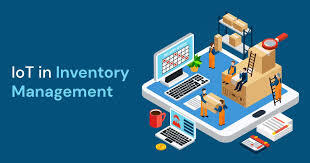
The inventory management is more critical than ever. Modern warehouses are increasingly adopting IoT (Internet of Things) devices and smart sensors to optimize operations, reduce errors, and improve overall efficiency. These technologies are transforming the way warehouses manage their inventory.
Understanding IoT and Smart Sensors
IoT refers to a network of interconnected devices that collect, share, and analyze data in real-time. In warehouses, IoT devices include RFID tags, GPS trackers, and connected machinery that communicate with a central system.
Smart sensors, on the other hand, are devices that monitor various parameters such as temperature, humidity, motion, and stock levels. They provide accurate, real-time data that helps warehouse managers make informed decisions.
Enhancing Accuracy in Inventory Tracking
Traditional inventory tracking methods often rely on manual counts and periodic audits, which can lead to errors and stock discrepancies. By contrast, IoT-enabled smart sensors provide real-time visibility of every item in the warehouse.
For example, RFID tags attached to products can automatically update inventory levels as items are moved or shipped. This reduces human error, minimizes stockouts, and ensures that inventory data is always up-to-date.
Real-Time Monitoring and Predictive Analytics
Smart sensors continuously collect data, which can be analyzed to predict demand patterns and identify inefficiencies. With IoT, warehouse managers can:
- Monitor storage conditions such as temperature and humidity to protect sensitive products.
- Track the location and movement of goods in real-time.
- Predict when stock will run low, enabling proactive replenishment.
These insights allow businesses to optimize stock levels, reduce holding costs, and improve overall warehouse efficiency.
Automating Warehouse Operations
IoT and smart sensors facilitate automation in modern warehouses. Connected devices can trigger automated actions based on sensor data, such as:
- Reordering products automatically when inventory falls below a threshold.
- Guiding robotic systems to pick and place items efficiently.
- Alerting managers about anomalies such as misplaced goods or equipment malfunctions.
Automation reduces manual labor, speeds up operations, and enhances accuracy.
Improving Safety and Compliance
Smart sensors also play a crucial role in ensuring workplace safety and regulatory compliance. Temperature and humidity sensors protect perishable goods, while motion and weight sensors prevent overloading and accidents. Furthermore, IoT systems can generate detailed reports for audits, ensuring compliance with industry standards.
Key Benefits at a Glance
- Enhanced inventory accuracy – minimizes errors and stock discrepancies.
- Real-time visibility – enables faster decision-making and better planning.
- Cost reduction – lowers holding costs and minimizes waste.
- Operational efficiency – accelerates warehouse processes through automation.
- Improved safety – reduces risk to both products and personnel.
Conclusion
The integration of IoT and smart sensors in warehouses is no longer optional; it is becoming a necessity for modern inventory management. These technologies offer real-time insights, automation, and predictive analytics, allowing businesses to operate more efficiently and meet customer demands effectively. As warehouses continue to evolve, IoT-driven inventory management will remain a key driver of operational excellence.